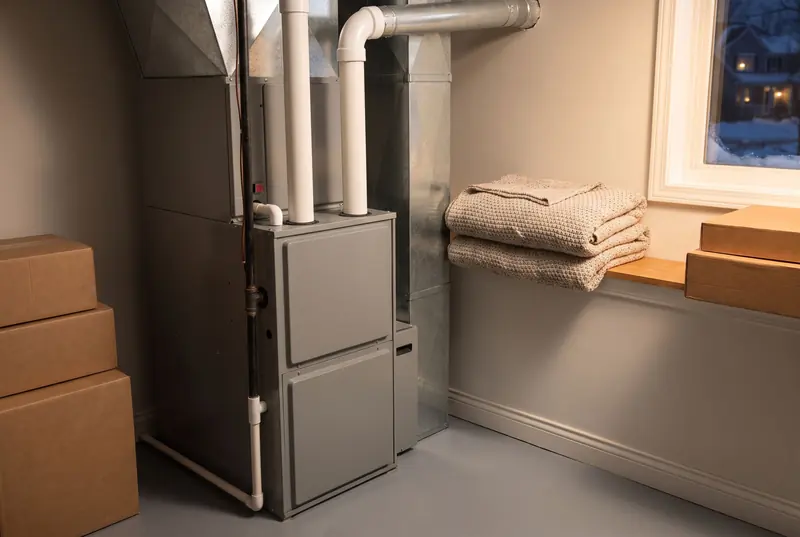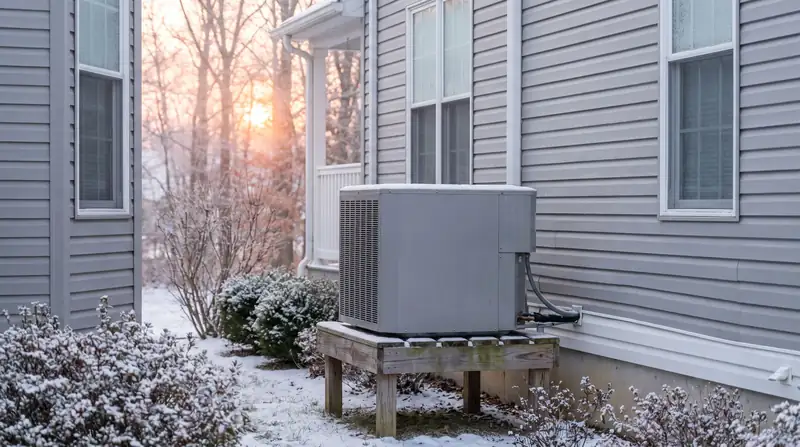

No two heating systems break the same way, and in Idaho Falls homes the first question on any no-heat call is what kind of equipment we are dealing with. Furnaces most often quit on an oxidized flame sensor. The burners fire, the sensor fails to confirm the flame, and after three attempts the control board closes the gas valve and locks the system out. Cracked hot surface igniters, sticking pressure switches, plugged condensate traps on high-efficiency units, and tired blower motors round out the usual list. Heat pumps have their own failure patterns. A defrost cycle that underperforms lets ice build up on the outdoor coil, a bad reversing valve leaves the system stuck in cooling mode, and a dead outdoor unit hands the whole load to the electric backup strips, which cost several times as much to run.
Most of our service calls are for Furnace Repair. If something has stopped working, start there.
Warning Signs for Heating Repair
Spotting the early warning signs lets you act before the problem gets expensive. Watch for these telltale signs:
- Frequent on-off cycles that never bring rooms up to temperature
- A rotten-egg, burning, or musty smell once the heat kicks on
- Energy costs climbing even though the house feels colder
- An outdoor heat pump coil that stays iced over
- The thermostat calls for heat but the vents blow cold air or nothing
- Some rooms warm while others stay stubbornly cold
- Booming or banging at ignition, a sign of delayed burner light-off
- Clicking and failed ignition attempts before the furnace gives up
Act Before It Gets Worse
Most HVAC failures start small, a weak capacitor, a squealing blower, a system that runs a little longer each week. At the first hint of a problem, call (208) 208-1911 for a fast inspection.